As America works to secure the supply chains behind its food and rely less on overseas competitors, here's what you need to know about how phosphate ties into the picture.
Sulfur supply is under real pressure right now.
Last week, we looked at how a tightening global sulfur supply is raising the cost of the phosphate-based crop nutrients that help feed the country. This week, a closer look at one of the more surprising parts of the story.
Sulfur plays a quiet, essential role in how America feeds itself every day.
It’s a key input in phosphate-based crop nutrients, the products that help American farmers grow much of the nation's food.
But right now, the global sulfur supply is tightening—or worse.
Most Americans picture food coming from a farm. The truth is, it comes from a supply chain that wraps around the world first.
Driving the news: A recent Forbes analysis traced how global events keep tightening the world's crop nutrient supply, from export controls on essential inputs to disrupted shipping routes.
But not every link runs through foreign ports. Phosphate is different.
There’s more to growing crops than what happens on the farm.
Most people see the harvest. Fewer see what makes it possible.
Healthy soil starts with the right nutrients. Phosphate products help farmers strengthen their fields and grow more food on every acre.
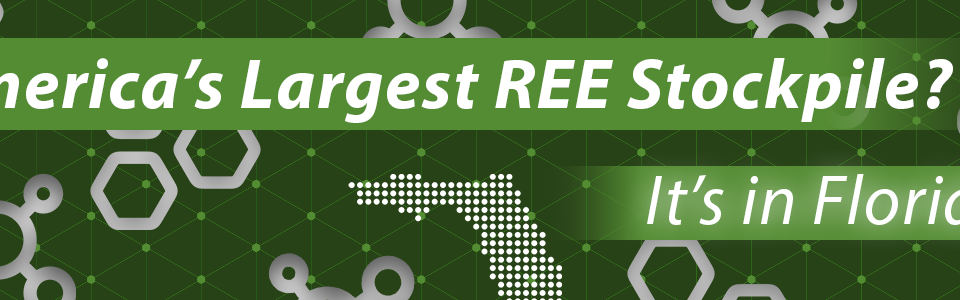
What do jet fighters, wind turbines, smartphones and advanced medical imaging have in common?
They all rely on rare earth elements (REEs)—a group of minerals that power much of the modern world.
The World’s Population Is Growing. So Is the Role of Phosphate.
By 2050, the global population is expected to reach nearly 10 billion. Feeding everyone will require more than just more farms. It will require more from every acre of land. That’s where phosphate comes in.
Rare earth elements power much of the technology we rely on every day, from smartphones and electric vehicles to satellites and defense tech.
Today, 96% of global rare earth processing happens in China.
Phosphate earns “critical mineral” status.
Phosphate has officially been added to the U.S. Critical Minerals List.
It’s official: the U.S. Department of the Interior has added phosphate to the nation’s Critical Minerals List — a major step forward for America’s food security and resource independence.